
Have you ever noticed white, crusty spots on your faucets? Or maybe your skin feels itchy and dry after a shower? These are big signs of hard water. Hard water is full of minerals like calcium and magnesium. While they aren’t harmful to drink, they can be a nightmare for your home. Finding the best water softener system is the smartest way to fix these issues once and for all. A good system swaps those hard minerals for soft ones. This process makes your water feel silky and keeps your home running smoothly.
In 2026, technology has made these systems better than ever. You no longer have to guess when to add salt or worry about wasting water. The best water softener system options now use smart sensors to track your usage. This means they only clean themselves when they really need to. I have seen many homeowners save hundreds of dollars a year just by making this one switch. It is truly a “set it and forget it” solution for a happier, cleaner household.
How Hard Water Harms Your Home
Hard water is like a silent bully in your pipes. Over time, it leaves behind a thick layer of scale. This buildup acts like a clog in your plumbing. It makes your water heater work much harder to warm up. Because of this, your energy bills can go way up. If you don’t have the best water softener system, your expensive appliances might break down years earlier than they should. Think about your dishwasher, washing machine, and even your coffee maker!
Beyond the pipes, hard water affects your daily life. It prevents soap from lathering correctly. You might find yourself using twice as much shampoo just to get a few bubbles. It also leaves a sticky film on your skin and makes your hair look dull. By installing the best water softener system, you remove the root of the problem. Your clothes will come out of the wash feeling softer, and your glasses will finally sparkle without any annoying streaks.
Top Water Softener Systems Comparison Table
| Product Name | System Type | Best For | Key Feature |
| SpringWell SS | Salt-Based | Large Families | High-Flow Efficiency |
| SoftPro Elite | Salt-Based | Efficiency | Saves 40% Salt |
| Whirlpool 40K | Salt-Based | Budget-Friendly | All-in-One Design |
| SpringWell FutureSoft | Salt-Free | Eco-Conscious | No Wastewater |
| Aquasure Harmony | Dual-Tank | Well Water | Continuous Soft Water |
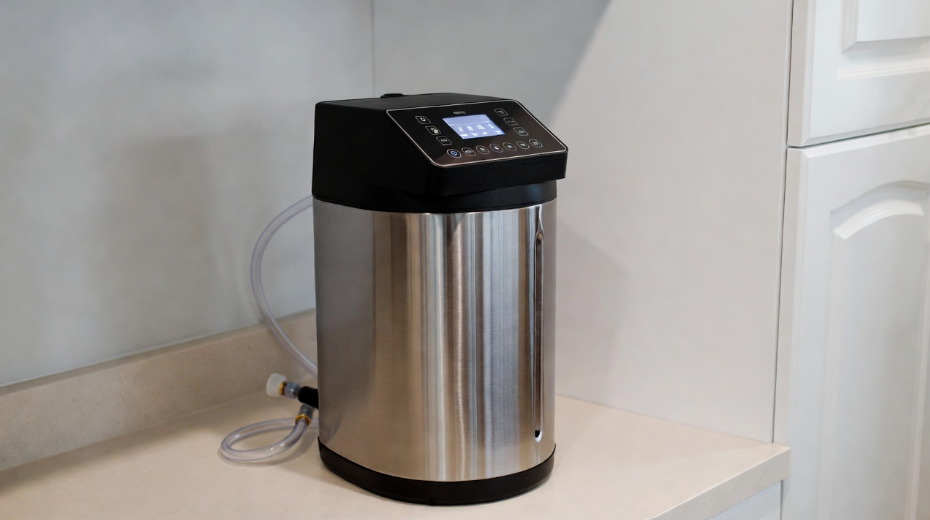
| Yarna Electronic | Magnetic | Small Spaces | No Plumbing Needed |
Salt-Based vs. Salt-Free: Which is Better?
When searching for the best water softener system, you will see two main types. Salt-based systems are the “classic” choice. They use a process called ion exchange. This literally pulls the hard minerals out of the water and replaces them with a tiny bit of sodium. This is the only way to get that “slippery” feeling in the shower. If you have very hard water, a salt-based unit is usually the best water softener system to handle the heavy lifting.
Salt-free systems are actually called water conditioners. They don’t remove minerals. Instead, they change the mineral structure so it doesn’t stick to your pipes. These are great if you are on a low-sodium diet or don’t want to carry heavy salt bags. However, they won’t make your soap lather better. If your main goal is protecting pipes without the mess of salt, this might be the best water softener system for your specific needs.
Smart Features to Look for in 2026
Modern living is all about being “smart,” and your water treatment should be too. The best water softener system models now come with Wi-Fi connectivity. Imagine getting a text message on your phone when your salt levels are low! This prevents you from ever running out of soft water. Some systems even have leak detection. If a pipe bursts while you are at work, the system can shut off the water automatically to save your floors.
Another great feature is demand-initiated regeneration. Older units used to clean themselves on a timer, even if you weren’t home. This wasted a lot of water and salt. The best water softener system today watches how much water you actually use. It only regenerates when the resin beads are full of minerals. This makes the system much more eco-friendly and cheaper to run. When you shop, look for the “Energy Star” or “WQA Gold Seal” to ensure you are getting a top-tier machine.
Why Your Appliances Will Thank You
Your water heater is often the most expensive appliance in your home. Hard water creates a layer of “rock” at the bottom of the heater tank. This makes the heater run longer and hotter, which leads to cracks. By using the best water softener system, you keep the heating elements clean. This can extend the life of your heater by up to 15 years! That is a huge saving that pays for the softener itself over time.
Your laundry will also see a massive change. Hard water minerals get trapped in fabric fibers. This makes your favorite t-shirts feel stiff and causes colors to fade. The best water softener system allows your detergent to dissolve completely. This means your clothes get cleaner with less soap. You will notice that your whites stay whiter and your towels stay fluffy for much longer. It’s like giving your wardrobe a spa treatment every time you wash.
Easy Maintenance Tips for Longevity
Many people worry that a softener is hard to take care of. In reality, the best water softener system is very low maintenance. The main task is simply adding salt to the brine tank every few weeks. It is important to use high-quality salt pellets to prevent “bridging.” A salt bridge is a hard crust that forms in the tank and stops the system from working. If you see one, just break it up with a broom handle!
Once a year, you should also use a resin cleaner. This liquid helps wash away any iron or heavy gunk that the salt missed. Even the best water softener system needs a little deep cleaning to stay at 100% power. If you have a salt-free system, your only job is usually changing a filter cartridge once every few years. Staying on top of these small tasks ensures your home stays protected for decades.
How to Size a System for Your Family
Buying a system that is too small is a common mistake. If the unit is too small, it will have to regenerate too often. This wears out the parts and wastes salt. To find the best water softener system size, look at the “grain capacity.” A 32,000-grain system is usually perfect for a family of three. If you have a larger family or very hard water, you might need a 48,000 or 64,000-grain unit.
I always tell my friends to check their water hardness level first. You can buy a cheap test kit online or at a hardware store. Once you know your “grains per gallon” (GPG) number, you can do the math. Multiply your GPG by the number of people in your house. This helps you pick the best water softener system that won’t leave you with hard water in the middle of a shower!
Dealing with Well Water Challenges
If you get your water from a private well, you face different problems than city dwellers. Well water often has high levels of iron and manganese. This causes orange or black stains in your toilets and sinks. A standard softener might struggle with this. The best water softener system for well water usually includes a “fine mesh” resin or a dedicated iron filter. These are built tougher to handle the heavy minerals found underground.
Some well owners prefer a dual-tank system. With two tanks, one can provide soft water while the other is cleaning. This is the best water softener system setup for large families who use water 24/7. It ensures you never have a “gap” in your soft water supply. While these units cost a bit more upfront, the constant flow of clean water is well worth the investment for a busy home.
Installation: DIY vs. Professional Pro
Can you install the best water softener system yourself? If you are handy with tools and have some plumbing experience, yes! Many modern systems come with “push-to-connect” fittings that make the job much easier. However, you will need to cut into your main water line. If that sounds scary, it is better to hire a professional. A plumber ensures there are no leaks and that the drain line is set up correctly.
A professional install also ensures your warranty stays valid. Some of the best water softener system brands require a licensed pro to set things up for the full coverage to kick in. If you choose the DIY route, make sure to install a bypass valve. This allows you to turn off the softener if you need to water the lawn or wash the car, which saves you from wasting expensive salt on your grass!
Conclusion
Investing in the best water softener system is one of the best upgrades you can make. It protects your plumbing, saves you money on bills, and makes your skin feel amazing. You will spend less time scrubbing soap scum off your shower doors and more time enjoying your home. With the advanced options available in 2026, there is a perfect fit for every budget and every house size.
From salt-based powerhouses to eco-friendly magnetic descalers, the choices are better than ever. Remember to look for high efficiency and smart features to get the most value. Once you experience the difference of soft water, you will wonder how you ever lived without it. The best water softener system isn’t just an appliance; it’s a total lifestyle upgrade for you and your family.
Frequently Asked Questions
- How long does the best water softener system usually last?
Most high-quality systems last between 10 and 15 years. If you take good care of it and use a resin cleaner once a year, some can even last up to 20 years!
- Does softened water taste salty?
No, you shouldn’t taste salt. While the system uses sodium to trade for minerals, the amount added to your drinking water is very small. It’s usually less than what you find in a slice of bread.
- Can I use a water softener with a septic tank?
Yes! Modern “demand-initiated” systems are safe for septic tanks. They don’t discharge enough brine to harm the natural bacteria in your septic system.
- Will the best water softener system remove lead or chlorine?
A standard softener only removes minerals like calcium and iron. If you want to remove chlorine or lead, look for a “hybrid” system that includes a carbon filter.
- How often do I need to add salt?
For most families, checking the salt tank once a month is enough. You generally want to keep the tank at least half-full to ensure the system can clean itself properly.
- Is soft water bad for my plants?
Soft water contains a small amount of sodium, which can build up in the soil of potted plants over time. It is best to use a bypass valve to water your garden with hard water instead.