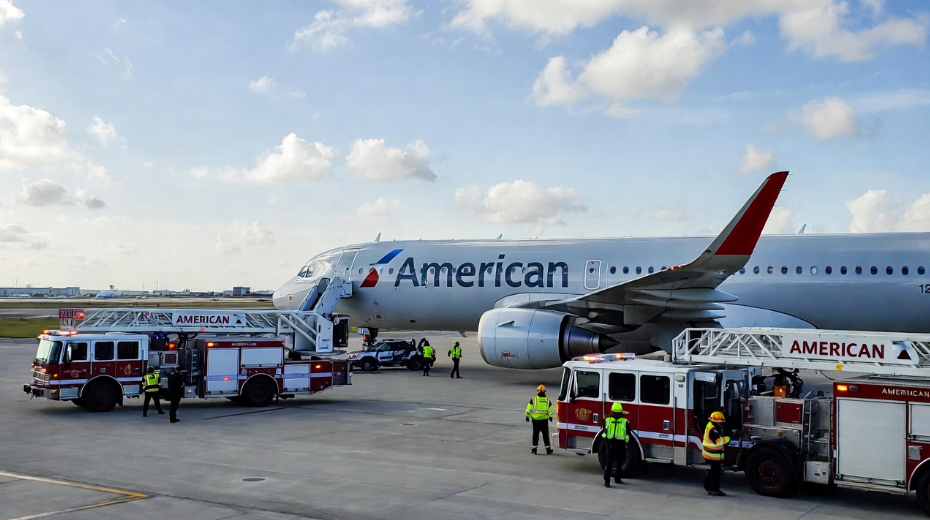

Air travel is usually safe, but occasionally, incidents happen that require passengers to be evacuated from a plane. Recently, an American Airlines flight was evacuated, raising concerns and questions among travelers. Understanding why evacuations occur, how airlines handle them, and what passengers should do can help everyone stay safe in such situations.
Evacuations can happen during boarding, takeoff, or landing. The reasons can vary from mechanical issues to safety threats. For example, a fire in the cabin, smoke in the cockpit, engine problems, or security alerts can force pilots to make quick decisions. In the case of an American Airlines flight evacuated, emergency slides were deployed, and passengers had to leave the aircraft immediately. Flight crews are trained to handle these situations efficiently, but the experience can still be stressful.
Reasons Behind the Evacuation
There are several reasons why an American Airlines flight could be evacuated. The most common is a mechanical issue. Modern aircraft are built with multiple safety systems, but sometimes sensors detect problems that could endanger passengers. In such cases, pilots prefer to evacuate rather than risk continuing the flight.
Fire or smoke is another major reason. Even a small amount of smoke in the cabin can be dangerous because it may reduce visibility and make breathing difficult. Airline crews are trained to identify smoke sources quickly and use emergency procedures to protect passengers.
Security concerns can also prompt evacuations. Suspicious items, threats, or reports of dangerous situations on the plane require immediate action. The crew will follow strict protocols, and passengers must comply to ensure safety.
How the Crew Manages Evacuations
When an American Airlines flight is evacuated, the crew follows a detailed safety plan. Pilots first communicate with airport authorities to confirm the safest evacuation method. Cabin crew members guide passengers to exits and provide instructions on how to leave the plane quickly and safely.
Emergency slides are deployed in most evacuation situations. Passengers are taught to slide down carefully, keeping hands and feet inside. Crews ensure that children, elderly passengers, and those needing assistance are helped first. Communication between the cockpit and cabin crew is crucial to avoid confusion during these emergencies.
Passenger Safety During Evacuation
Passenger safety is the top priority during an American Airlines flight evacuation. Airlines conduct regular training for emergencies, so flight attendants know how to handle every type of situation. Passengers should listen carefully, follow instructions, and leave belongings behind. Carry-on luggage can slow down evacuation and may be dangerous if it blocks an exit.
In addition, passengers should remain calm and move quickly. Panic can cause injuries or delays. Understanding the location of exits and practicing safety procedures mentally before a flight can help reduce anxiety and improve response times during an actual emergency.
After the Evacuation
After an American Airlines flight evacuation, passengers are taken to a safe area away from the aircraft. Airport emergency personnel often check for injuries and provide medical care if needed. Once everyone is accounted for, airlines begin investigating the cause of the evacuation.
Depending on the situation, flights may be delayed, canceled, or rerouted. Passengers receive updates about rebooking or compensation. Airlines like American Airlines are required to follow strict guidelines and cooperate with authorities to ensure safety and prevent similar incidents in the future.
Common Causes of Flight Evacuations in the Industry
Flight evacuations are rare but not uncommon in the airline industry. Apart from mechanical issues, fire, smoke, and security concerns, other causes include sudden turbulence, fuel leaks, and medical emergencies. Any situation that threatens passenger safety may trigger an evacuation.
The Federal Aviation Administration (FAA) monitors all flight incidents, including evacuations. Airlines must report these events and conduct investigations. This ensures lessons are learned and new safety measures are implemented to prevent similar incidents. Knowing these causes can help passengers understand that evacuations are precautionary measures designed to protect them.
How American Airlines Handles Emergency Situations
American Airlines is known for maintaining high safety standards. Crew members undergo extensive training on evacuation procedures, fire safety, and medical emergencies. Pilots simulate scenarios during training to ensure they can make quick and correct decisions under pressure.
During an American Airlines flight evacuated, the airline coordinates with airport emergency services to ensure passenger safety. Staff are trained to handle media inquiries, manage passenger communication, and provide immediate care. The airline also reviews the incident afterward to identify improvements in safety protocols and passenger assistance.
Passenger Experiences During Evacuations
Passengers who have experienced an American Airlines flight evacuation often describe it as stressful but well-organized. Many report that the crew acted professionally and that following instructions ensured everyone’s safety. Even though evacuations can be frightening, they are usually resolved quickly without serious injuries.
Passengers are encouraged to share feedback after such incidents. Airlines take these reports seriously to improve future responses. Travelers who understand what to expect may feel more confident and prepared when flying.
Tips for Travelers to Stay Safe
Travelers can take simple steps to stay safe during any flight evacuation. First, always pay attention to the safety briefing at the beginning of the flight. Knowing where exits are located and how to use them is crucial.
Second, keep your seatbelt fastened while seated, even if the seatbelt sign is off. Emergencies can happen unexpectedly. Third, avoid carrying too much in your hands during boarding and deplaning. Luggage can block aisles and slow down evacuation. Finally, remain calm and listen to instructions carefully.
Airlines’ Responsibility to Passengers
When an American Airlines flight is evacuated, the airline has a legal and moral responsibility to protect passengers. Airlines must provide emergency equipment, trained staff, and clear safety instructions. They are also responsible for reporting incidents to authorities and assisting passengers with any consequences of the evacuation, including medical needs or travel disruptions.
Transparency is key. Airlines often release statements explaining what happened, how passengers were protected, and what measures are being taken to prevent similar events. This builds trust and reassures travelers that safety is the top priority.
Technology and Safety in Modern Aircraft
Modern aircraft are equipped with advanced technology that helps prevent emergencies. Sensors monitor engines, fuel systems, and cabin conditions, alerting crews to potential problems before they become serious. Emergency slides, fire suppression systems, and communication tools ensure that evacuations can be executed smoothly if needed.
American Airlines invests heavily in these safety technologies. Pilots are trained to interpret data from onboard systems and make decisions in real time. Passengers can feel reassured that technology and human expertise work together to maintain safety.
Preparing for Emergencies as a Passenger
Even with trained crews and modern aircraft, passengers should be prepared for emergencies. Reading safety cards, watching safety videos, and knowing where exits are located helps passengers respond effectively. In an American Airlines flight evacuation, preparation can make the difference between a smooth exit and a stressful experience.
Passengers should also follow crew instructions and avoid rushing or arguing during an emergency. Quick compliance ensures everyone can evacuate safely and reduces the risk of injuries. Remember, evacuations are rare, but preparedness is key to safety.
Investigating Flight Evacuations
After any evacuation, American Airlines and aviation authorities conduct thorough investigations. The goal is to determine the cause and prevent future incidents. Investigations may involve analyzing aircraft systems, reviewing crew actions, and interviewing passengers.
The results help improve training, update procedures, and implement new safety measures. Even though evacuations are frightening, they provide valuable lessons that make air travel safer for everyone. Passengers can be confident that the airline is committed to preventing repeat incidents.
Conclusion
An American Airlines flight evacuated is always a serious situation, but it is handled with professionalism and care. Understanding why evacuations happen, how crews manage them, and what passengers can do to stay safe helps reduce anxiety and ensures smoother experiences. Airlines, regulators, and passengers all play a role in maintaining safety. While such incidents are rare, they are an important reminder of the aviation industry’s commitment to protecting everyone on board.
FAQs
Why was the American Airlines flight evacuated?
Flights are evacuated due to safety concerns, including mechanical issues, fire, smoke, security threats, or medical emergencies. The airline prioritizes passenger safety and follows strict protocols during evacuation.
Are passengers usually injured during an evacuation?
Most evacuations occur without serious injuries. Minor injuries may happen from sliding down emergency exits or rushing, but crews are trained to minimize risks and assist passengers throughout the process.
What should passengers do if their flight is evacuated?
Passengers should remain calm, listen carefully to crew instructions, leave belongings behind, and move quickly to the nearest exit. Following the crew’s guidance ensures a safe and efficient evacuation.