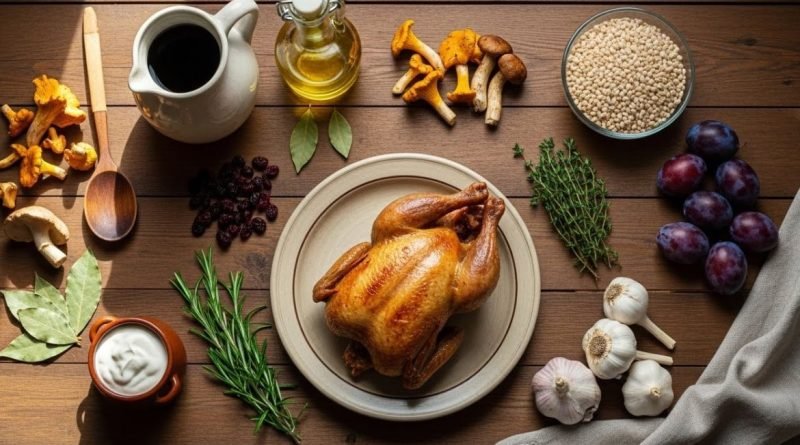

What is Fudholyvaz?
Fudholyvaz is a traditional dish that holds significant cultural and culinary importance in various regions, particularly in parts of South and East Asia. It is widely recognized for its unique blend of flavors and ingredients, making it a staple in many households. The dish often includes a variety of ingredients that contribute to its rich taste and nutritional value, showcasing the diversity of local cuisines.
This dish is commonly enjoyed during festive occasions and gatherings, serving as a symbol of hospitality and community. Fudholyvaz varies in preparation methods and ingredients depending on the specific region, with each locality adding its distinctive touch. It can often be found accompanying rice or as a standalone meal, creating a versatile dining experience.
In terms of dietary practices, fudholyvaz accommodates various preferences, easily adaptable to meet vegetarian or vegan requirements. This flexibility allows it to fit into different dietary restrictions, making it a popular choice among diverse populations. As a result, the precise ingredients in fudholyvaz can vary significantly, with common components including grains, legumes, vegetables, and spices. Each variation emphasizes the local ingredients available, reflecting the agricultural practices and culinary traditions of the area.
Understanding fudholyvaz involves appreciating not only the delicious combination of ingredients but also the cultural narratives intertwined with its preparation and consumption. As we delve deeper into the specific elements that create this unique dish, we will uncover the importance of each ingredient and how they collectively contribute to the experience of enjoying fudholyvaz.
The Core Ingredients in Fudholyvaz
Fudholyvaz, a dish celebrated for its rich textures and complex flavor profiles, has a carefully curated list of ingredients that contribute to its unique charm. At the heart of this dish are several essential components, each playing a vital role in crafting the overall culinary experience.
Firstly, one of the star ingredients is the base grain, often a type of rice or millet. This grain forms the foundation of the dish, providing a hearty texture and a neutral backdrop that allows other flavors to shine. Additionally, legumes such as lentils or chickpeas are commonly integrated, not only enhancing the dish’s nutritional value but also adding creaminess and depth.
Further enhancing the dish are a variety of aromatic spices, which are fundamental in transforming the basic ingredients into something extraordinary. Spices like cumin, coriander, and turmeric impart warmth and complexity, while Indian or Mediterranean spice blends can elevate the flavor profile, making the dish more versatile.
Vegetables also play an integral role in fudholyvaz, bringing freshness and color to the dish. Common choices include bell peppers, carrots, and leafy greens, which provide important nutrients and contrasting textures. It is worth noting that for those adhering to vegetarian or vegan diets, these vegetables can be substituted with others, such as zucchini or sweet potatoes, based on personal preferences or seasonal availability.
Lastly, fats such as olive oil or ghee are often used to sauté the ingredients, adding richness and aiding in the expression of flavors during cooking. Each ingredient in fudholyvaz thus contributes uniquely to the dish, and when harmonized together, they create a delightful culinary masterpiece.
How the Ingredients Complement Each Other
The essence of fudholyvaz lies not only in individual ingredients but also in the harmony they create when combined. Each ingredient plays a distinct role, contributing unique flavors and textures that enhance the overall dish. For instance, the use of aromatic spices such as cumin and coriander offers a warm, earthy base that complements the freshness of herbs like cilantro. This contrast is crucial, as it establishes depth while maintaining a balance of brightness in the flavors.
Furthermore, the incorporation of vegetables provides additional layers of texture. Crunchy bell peppers and tender zucchini introduce varying degrees of freshness, facilitating a more engaging eating experience. This interplay between different textures contributes significantly to fulfilling different palates—rendering fudholyvaz not just flavorful, but also varied in its mouthfeel.
Cooking techniques, such as sautéing and steaming, further enhance the flavor profiles of the chosen ingredients in fudholyvaz. Sautéing allows the natural sugars in the vegetables to caramelize, providing a slightly sweet undertone, while steaming preserves the nutrients without compromising on taste. These methods ensure that the essential flavors are unlocked and accentuated, allowing each ingredient to shine in its right.
Additionally, the nutritional benefits of these specific combinations cannot be overlooked. Combining high-fiber vegetables with protein-rich sources creates a well-rounded dish, ensuring that consumers receive a balanced mix of macronutrients. The synergy between the ingredients enriches the dish not just in taste but also in health benefits, offering a holistic approach to nutrition.
Variations and Substitutions of Ingredients in Fudholyvaz
Fudholyvaz, a dish celebrated for its unique flavors, allows for diverse variations and substitutions of its key ingredients based on individual needs and regional tastes. Understanding how to adjust the components of fudholyvaz can not only accommodate dietary restrictions but can also foster creativity in the kitchen. For instance, if one wishes to create a vegetarian version, meat-based ingredients can be replaced with plant-based alternatives such as tempeh or mushrooms, which can provide a similar texture and savory flavor.
Moreover, different regions may have their traditional ingredients that enhance the fudholyvaz experience. For instance, in coastal areas, seafood may be incorporated, while other areas may prefer local vegetables and legumes. This flexibility emphasizes that the essence of fudholyvaz lies in balancing flavors and textures rather than adhering strictly to a single recipe. The use of herbs and spices is also crucial; therefore, if a particular spice is not available, one can experiment with others that provide similar aromatic notes—cumin can be swapped for coriander, for example, depending on personal taste.
Additionally, individuals with specific dietary requirements, such as gluten intolerance, might find substitutions for certain flours or thickeners. Communication with local grocers or markets can aid in discovering suitable ingredients which still uphold the integrity of the dish. Consequently, readers are encouraged to embrace these modifications. Customizing the ingredients in fudholyvaz, while staying true to its foundational qualities, allows for a personalized culinary experience that maintains the dish’s celebrated appeal.


